Learn coloured pencil drawing, properly this time
No pressure to do it all. Pick the section that matches what you feel like today.
Step-by-step lessons and guided projects for anyone coming back to art, so you always know what to do next.
Coming back after years? Maybe what you had as a child was praise for staying inside the lines, and you never got the foundations. That's most of us. We'll build them now, calmly, one piece at a time.
Coloured pencil starts to click when you master a few core skills: values (light and dark for 3D form), smooth layering (gentle passes), and clean blending (soft transitions).
No guessing. No searching.
Just a clear next step. Choose your starting point: Getting Started, then Fundamentals, then Core Techniques. Start with the first lesson for a quick win today.
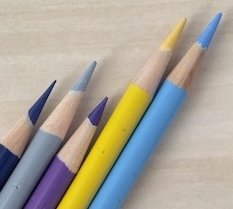
Getting Started Hub
Get started the calm way: choose sensible supplies, set up your space, sharpen properly, transfer outlines accurately, then do a simple pressure-control exercise for a quick win.
Photo references and transfer methods aren't cheating, they're standard artist tools.
Get started
Fundamental Skills Hub
Learn the foundations that make coloured pencil look realistic: shape and proportion, light and dark for 3D form, colour basics to avoid muddy layers, plus composition, simple perspective, and working from photo references.
If your drawings feel flat, that's usually a light-and-dark issue we can fix.
Grasp the fundamentals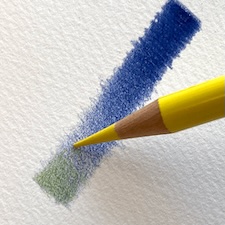
Core Techniques Hub
Practise the techniques that make drawings look finished: clean strokes, layering rich colour (without mud), blending smooth transitions, burnishing for a finished look, and simple fixes for common mistakes.
You won't ruin it at the end. You'll learn tidy finishing steps and easy rescues when blends go wrong.
Build your techniques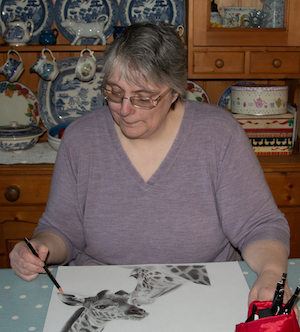
About Carol, your teacher
Hi, I'm Carol. I came back to art as an adult and quickly realised that whatever I'd been praised for as a child wasn't really drawing. I'd never been taught how to see shape, light, or colour properly. I had to go back and learn the foundations from scratch.
That was the breakthrough. By 2020 my work had won a UK Coloured Pencil Society prize, and I'd built a process for wildlife studies and pet portraits that I could repeat reliably.
Pencil Topics teaches the exact process I use, with clear lessons and guided projects that help you build smooth layers, blend cleanly, and create believable texture without overwhelm. Not because you're a beginner, but because nobody taught most of us this stuff first time round.
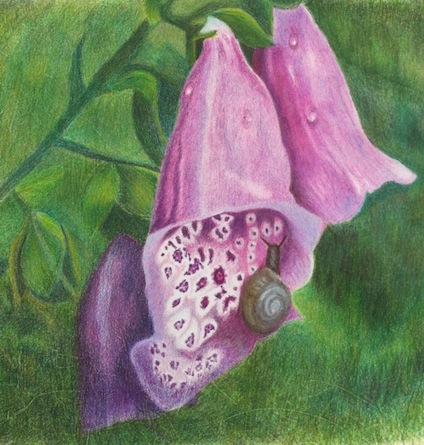 From my first completed drawing from my own photo...
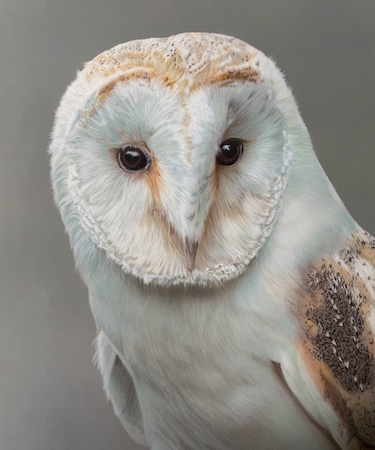 ...to my first UK Coloured Pencil Society prize winning entry in 2020
What to draw
Pick a subject that pulls you in. Each one is a calm, step-by-step way to practise the same core skills on something you actually want to draw.
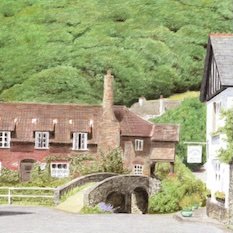
Landscape drawing
Turn your own photo into a coloured pencil landscape by practising one element at a time: trees, grass, sky, stone, and water.
Try a landscape
Animals and birds
Draw pets and wildlife from your own photos: fur, feathers, eyes, and the patience that brings them to life. Worked examples run from a dog to a Scottish wildcat to a friendly robin.
Drawing your own pet is a lovely place to start.
Draw an animal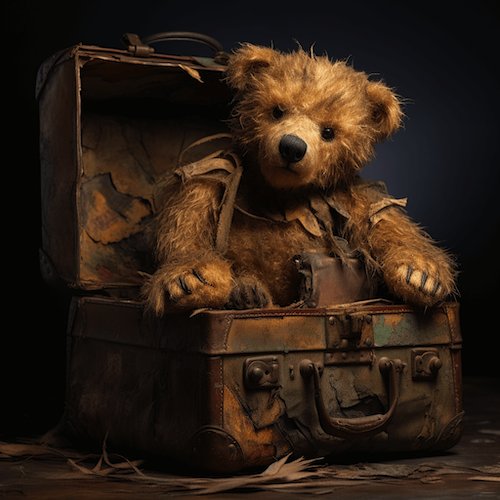
Still life
Everyday objects are the calmest way to practise: you control the light, nothing moves, and you can take as long as you like. Find subjects worth drawing and how to set them up.
Explore still lifeMaterials and supplies
What to buy, what to skip, and how to get the best from what you have. No need to read it all, just dip in when a question comes up.

Choosing pencil brands
Independent, honest comparisons of the main coloured pencil brands, so you can buy with confidence instead of guessing which set is worth the money.
You don't need the most expensive pencils to draw well.
Compare the brands
Understanding your materials
What's actually going on with your pencils: wax versus oil, lightfastness, and why that cloudy bloom sometimes appears. Plain explanations so your work lasts.
Understand your pencils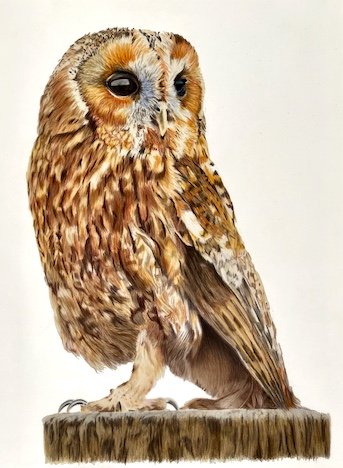
Paper choices
The surface matters more than people expect. Tested, compared paper choices for coloured pencil, including black paper, so your layers go down smoothly.
Choose your paper
Pastel pencils
Softer and dustier than coloured pencil, and lovely for fur and skies. Techniques, tutorials, and supply guides for pastel pencils, including which paper holds them best.
Try pastel pencils
Watercolour pencils
Draw dry, then soften with a wet brush. Techniques, beginner-friendly projects, and supply guidance for getting watercolour pencils to behave.
Explore watercolour pencils
Tools and accessories
Erasers, blending stumps, fixative, solvents, and the few extras that genuinely help, with what each one is for and what you can happily skip.
See what helpsMore ways to learn (when you're ready)
If you'd like a project to finish, a deeper skill focus, or a quick rescue when something's gone wrong, start here.
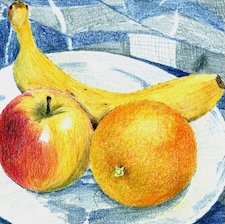
Tutorials
Step-by-step projects that turn the basics into finished drawings you'll actually want to keep.
Browse tutorials
Practical tips and troubleshooting
Quick rescues for patchy colour, waxy build-up, muddy layers, and "I've ruined it" moments, with tidy fixes you can apply right away.
Browse troubleshooting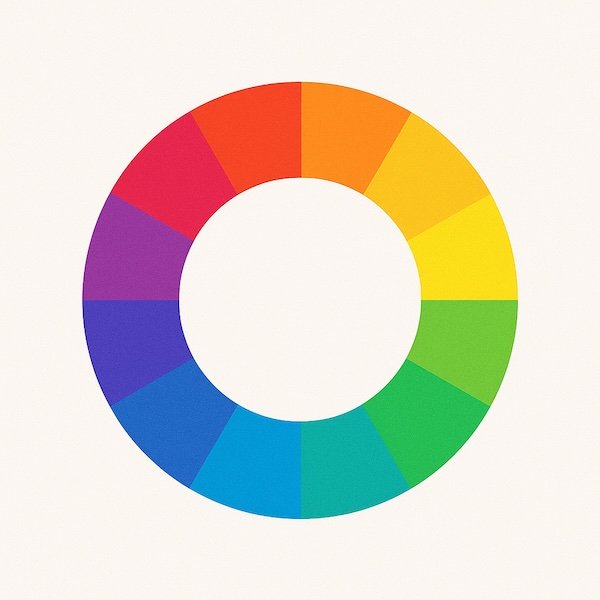
Understanding colour
Why your colours go muddy and how to mix clean ones instead. Colour theory made practical for coloured pencil, from the colour wheel to the colour of a shadow.
Muddy layers are a colour problem, and a fixable one.
Get to grips with colour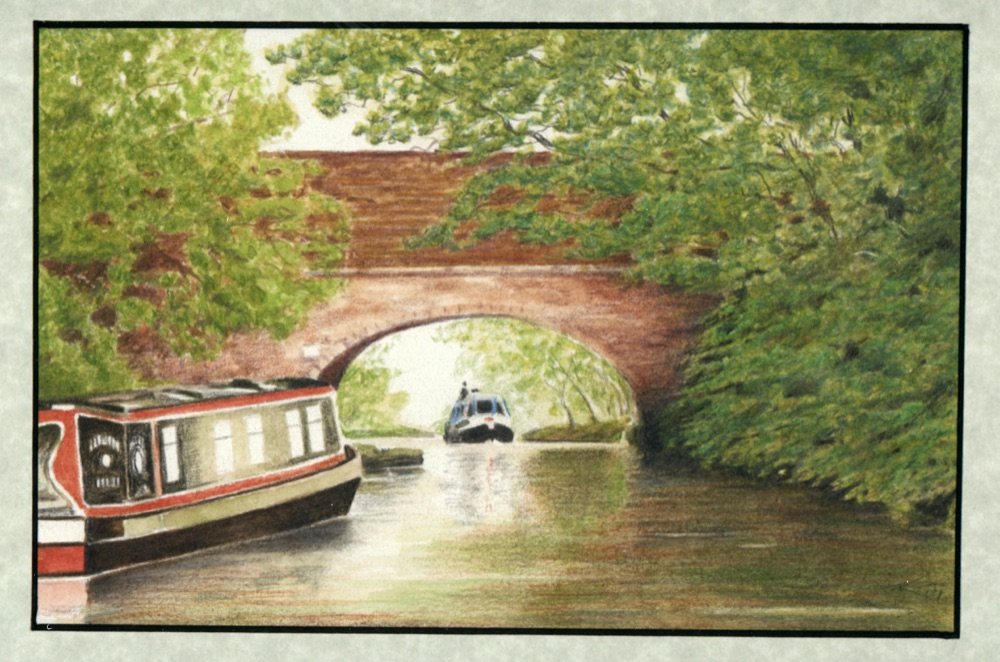
Mixed media
Combine coloured pencil with watercolour, pastel, ink, acrylic, gouache or graphite. Six combinations that genuinely work, with the common mistakes to avoid.
Explore mixed media
Resources and materials guidance
What's worth buying, what can wait, and what to skip, so you don't waste money chasing the perfect supplies.
Explore resourcesCommon questions
Do I need expensive supplies?
No. Start with a modest kit. I'll show you what's worth buying, what can wait, and what to skip.
I'm coming back after years. What if I'm too rusty?
That's normal. We'll start with a short exercise that rebuilds control, then add skills one at a time. And if it never felt like you really had the basics, even back then, that's true for most of us. The foundations are learnable now.
Will I learn how to fix mistakes?
Yes. You'll learn tidy ways to rescue patchy colour, waxy build-up, and overworked areas.
Can I really go from a photo to a finished piece?
Yes. You'll learn a clear workflow: choose a reference, plan your drawing, build layers, and finish with confidence.
Why do you spell color with a "u"?
I'm based in the UK, so you'll see British spellings (colour, favourite). The techniques work the same wherever you are.
Not sure where to begin? Start with Getting Started, and take it one calm lesson at a time.
Copyright © 2009- pencil-topics.co.uk All rights reserved
Home | About Us | Contact Us | Privacy Policy