- Home
- Choosing pencil brands
- Caran d'Ache
Are Caran d'Ache Pencils Worth the Investment for Realistic Drawing?
What this covers
Pablo and Luminance compared for realistic coloured pencil work: UK pricing, lightfastness, blending and detail performance, and which set to buy when. Plus the Caran d'Ache ranges to skip for dry realism (Museum Aquarelle, Supracolor, Prismalo, Neocolor).
Caran d'Ache pencils come up in every list of recommended brands, and the price tags raise the obvious question: are they worth it for realistic coloured pencil work, or are you paying for the Swiss reputation?
Before you commit to either Pablo or Luminance, it helps to know what each range is actually designed for, what you're not getting for the premium price, and which Caran d'Ache ranges to leave on the shelf entirely if your goal is realistic dry-pencil work. Current UK prices for every set size are in the Purchasing section further down the page.
Bottom Line Assessment for Realistic Drawing
Caran d'Ache makes several ranges. For realistic dry coloured pencil work, only two of them matter, and one of them you should specifically avoid.
Exceptional pigment quality and blending capabilities. The wax-oil blend gives the smoothest transitions of any pencil I've tested. The price is high, but every colour meets ASTM lightfastness standards.
Excellent performance at a more manageable price. Velvety oil-based feel, 120 colours available, particularly strong on earth and natural tones. The set most landscape and animal artists settle into.
Both are watercolour pencils. Beautiful when activated with water, but optimised for that use rather than dry layering and blending. Don't buy them expecting them to perform like Pablo or Luminance for dry work.
Caran d'Ache Luminance 6901 in the presentation box
These are premium pencils that deliver premium results. They won't magically fix fundamental technique issues. Master your layering and blending first, then upgrade to make the most of them.
My verdict: choose Pablo for learning and skill development. Upgrade to Luminance when your technique demands the absolute best quality, or when you start creating work intended to be displayed or sold.
Which Stage of Your Art Journey Are These Best For?
Complete beginner (learning fundamentals)
A small Pablo set (12 to 30 colours). Quality that won't frustrate your progress, forgiving enough to learn on, and not so expensive that mistakes feel costly.
Developing skills (building confidence)
Pablo 40-colour set, or a Luminance starter set. The quality difference becomes more noticeable as your skills improve, and the investment feels justified by visible progress. The larger range also supports more complex colour mixing.
Advanced practice (pursuing professional results)
Luminance 6901 full range. Lightfastness is crucial for portfolio pieces, and the pigment quality supports the kind of subtle colour work where less-premium pencils start to show their limits.
The distinctive livery on a Luminance pencil
Will They Fix My Common Problems?
Muddy colours
- Pablo: ★★★★☆ — excellent pigment strength prevents muddiness.
- Luminance: ★★★★★ — exceptional clarity, nearly impossible to muddy with proper technique.
Rough, patchy blending
- Pablo: ★★★★☆ — creamy texture blends beautifully with burnishing.
- Luminance: ★★★★★ — the wax-oil blend gives the smoothest transitions I've tested.
Weak coverage and fading
- Pablo: ★★★★☆ — good lightfastness, rich saturation.
- Luminance: ★★★★★ — every colour meets ASTM standards, so your work won't fade.
Paper damage from heavy pressure
- Pablo: ★★★☆☆ — soft core, so gentle pressure works well.
- Luminance: ★★★★☆ — excellent coverage with light pressure thanks to the high pigment load.
Lightfastness and Longevity
Lightfastness is one of the key justifications for Caran d'Ache's premium pricing. Here's what it actually means for your work.
ASTM standards explained
Luminance 6901: every colour in the range meets ASTM D6901 standards, meaning they hold their colour integrity for decades when properly displayed.
Pablo: very good lightfastness, though not every colour meets the strictest ASTM standards. The earth and natural tones are particularly stable.
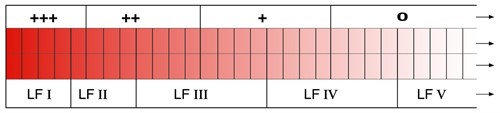
ASTM lightfastness rating categories
Why this matters for realistic art
- Portfolio pieces: your best work won't fade over time.
- Commissioned work: meets the longevity expectations of paying clients.
- Gift artwork: stays vibrant for the recipient.
- Exhibition work: meets gallery and museum display standards.
For learning and practice pieces, lightfastness is less critical. For finished work you're proud of, it's essential.
UK Purchasing Information (May 2026)
Current UK pricing
Pablo (Jackson's Art):
- 12-set: from £22.50 (Artistmaterial £27.99)
- 18-set: from £34.17
- 30-set: from £59.17
- 40-set: from £85.00
- 80-set: from £196.00
- 120-set: full wooden box, sits higher than the 80-set; check retailer for current price
Luminance 6901:
- 12-set: from £36.00 (Cult Pens)
- 40-set: from £105.00 (Cult Pens) or £130.00 (Jackson's)
- 76-set: from £330.00 (Jackson's)
- 100-set (full range in wooden box): from £439.00 (Jackson's)
Individual pencils: Pablo around £2.50 (Cult Pens). Luminance varies by retailer.
Prices verified May 2026. Art supply prices fluctuate; check the retailer's site before buying. Cult Pens is generally cheaper than Jackson's on Luminance; Jackson's tends to be cheapest on Pablo.
Best UK sources
- Jackson's Art Supplies: usually best on Pablo, broad range, good service.
- Cult Pens: usually best on Luminance, and a good source for individual pencils.
- Ken Bromley Art Supplies: often has sets on offer.
- Pencils4Artists: specialises in individual colour replacement.
- Amazon UK: convenient, but check seller reputation.
Value analysis
At around £2.50 per pencil for Pablo and noticeably higher for Luminance, these sit at the premium end of the market. For comparison (prices approximate, check current):
- Polychromos: similar per-pencil price to Pablo, harder core, equally good lightfastness on most colours.
- Prismacolor Premier: softer than either Pablo or Luminance, less lightfast.
- Derwent Lightfast: comparable lightfastness to Luminance, slightly different feel, British alternative.
Real-World Performance Testing
Manufacturer claims tell you part of the story. The rest comes from putting the pencils through their paces.
My layering test results
When I've worked Pablo, Luminance and Polychromos side by side on the same subject, the differences come through clearly:
Pablo: smooth colour buildup over 8 to 10 layers, rich saturation without wax bloom, excellent for burnishing final highlights. Slightly softer than ideal for the very finest detail work.
Luminance: exceptional colour clarity and vibrancy, no colour shift even with heavy layering, outstanding for skin tones and subtle colour work. Firmer core, which suits precise details better than the softer Pablo.
Blending test results
Testing smooth sky gradients and shadow transitions:
- Both ranges excel with burnishing techniques.
- Luminance edges ahead for seamless blends.
- Pablo needs slightly more layers to reach the same smoothness.
Technique Compatibility
Burnishing
Excellent. Both ranges respond beautifully to burnishing with light colours or a colourless blender.
Solvent blending
Good. Both work well with odourless mineral spirits, though their natural blending is so smooth you often don't need solvents at all.
Layering order
Flexible. The high-quality pigments allow both light-over-dark and dark-over-light approaches.
Paper requirements
Versatile. Both ranges work on everything from smooth Bristol to textured watercolour paper. See the paper guide for specific recommendations.
Colour Range and Mixing Capabilities
How many colours do you actually need?
Both Pablo and Luminance support optical colour mixing on paper, so a smaller set goes further than you might think:
- 24-colour set: handles 90% of realistic drawing subjects.
- 40-colour set: covers virtually everything, with convenience colours included.
- 76 or 100 colour set: a luxury rather than a necessity, though common in serious studios.
Colour mixing performance
Pablo (120 colours available): excellent mixing capabilities. Some colours can become slightly chalky when heavily layered, but for most subjects this isn't an issue.
Luminance (100 colours available): outstanding mixing with no chalkiness. The wax-oil blend maintains clarity through multiple layers, which matters most on skin tones and subtle colour work.
Both ranges excel at the optical mixing techniques essential for realistic work. Start with a smaller set and learn to mix. You'll develop better colour understanding and save money for replacement pencils when you wear down your favourites.
How Do They Compare to Alternatives?
Similar tier
Polychromos: harder core, equally lightfast, better for fine detail. The closest competitor to Pablo, and the two ranges pair harmoniously if you want to mix brands.
Derwent Lightfast: comparable lightfastness, oil-based but unusually soft (closer in feel to a wax pencil). The British alternative to Luminance.
Budget alternative
Derwent Procolour: around 80% of the performance at notably lower cost. Worth knowing about if budget is the main constraint.
Next level up
Honestly? There isn't a higher tier for coloured pencils. Caran d'Ache sits at the premium end of the market.
What About the Other Ranges?
Caran d'Ache makes several other pencil ranges. They're not bad pencils; they're designed for different work.
Museum Aquarelle and Supracolor
A box of Caran d'Ache Museum Aquarelle watercolour pencils
Designed for: watercolour pencil techniques.
Why skip for dry realism: optimised for water activation, not dry layering and blending. If you want to combine watercolour pencil with dry coloured pencil, see the watercolour pencils hub for the right techniques.
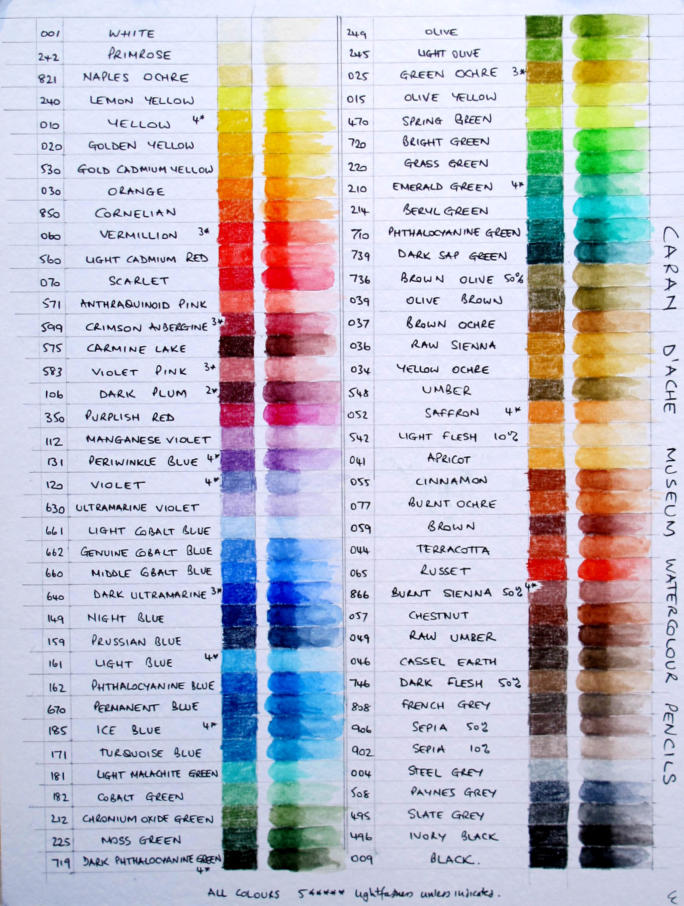
The full Museum Aquarelle colour range
Prismalo
Designed for: hard, precise line work.
Why skip for realism: too hard for smooth blending and rich colour buildup.
Neocolor crayons
Caran d'Ache Neocolor 2 water-soluble crayons
Designed for: bold, expressive work.
Why skip for realism: the crayon format isn't suited to detailed realistic techniques.
For realistic drawing, stick with Pablo or Luminance. The other ranges serve different artistic purposes.
Don't Make These Common Mistakes
Four mistakes I see most often with Caran d'Ache purchases and usage.
Buying Museum Aquarelle thinking they're the "best" for dry realistic work
Museum Aquarelle are watercolour pencils. They look beautiful in their box, but they're designed for water activation. For dry coloured pencil work, you want Pablo or Luminance.
Starting with the largest set
A 24-colour set will handle most subjects. You're better off mastering a smaller range and learning to mix, then expanding as your work demands it. Open-stock individual pencils are widely available in the UK.
Pressing hard because they're "premium" pencils
Light pressure works best. The pigment load is high, so you don't need to push the pencil into the paper. Heavy pressure damages your paper's tooth and limits how many layers you can build.
Expecting instant improvement without proper technique
Premium pencils don't fix fundamental issues. If your layering and blending technique isn't there yet, the pencils won't compensate. Master the basics on a cheaper set first, then upgrade.
Which Specific Set Should You Buy?
Beginner realistic artist
Pablo 30-colour set. Includes the essential colours for portraits, landscapes and still life. Forgiving enough to learn on, with quality that won't hold you back. The 18-set is a smaller alternative if budget is tight.
Intermediate artist
Pablo 40-colour set or Luminance 40-colour set. Choose Pablo for value and a wider colour range; choose Luminance for ultimate quality and full ASTM lightfastness.
Advanced or professional
Luminance 76-colour set for serious work, or the Luminance 100-colour full range in the wooden box for the complete palette. Both deliver the lightfastness needed for work intended to be displayed, sold, or kept long-term.
You can download the Pablo colour chart here if you want to plan your set before buying.
Caran d'Ache sits at the premium end of the coloured pencil market for good reasons: pigment quality, lightfastness and blending consistency. Whether they're worth it depends on what you're doing and where you are in your practice. For most artists working toward realistic results, Pablo is the sensible first investment. Luminance is the upgrade when your work starts asking for it.
For broader context on coloured pencil brands, see the independent UK comparison of seventeen brands.
Copyright © 2009- pencil-topics.co.uk All rights reserved
Home | About Us | Contact Us | Privacy Policy